



How to Repair Rotten Wood
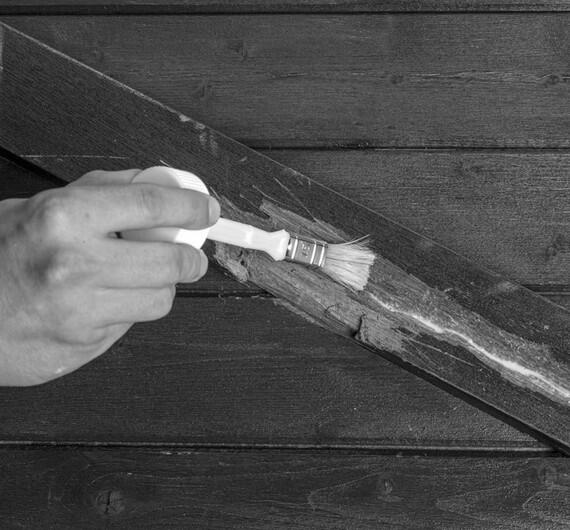
Rot in interior woodwork is easy to miss until it has already done serious damage. It often starts behind paint, under sills, or in areas where moisture has been sitting unnoticed for months or years. Left untreated, rot will spread through the timber, weakening the structure and undermining any repair or decoration applied over the top. Catching it early and treating it properly is the difference between a simple stabilization job and a full replacement.
Before you treat or repair any rot, you need to find out what caused it. Rot does not happen without moisture, so something is feeding it - a leaking pipe, poor ventilation, failed seals, rising damp, or condensation build-up. If you treat the timber without addressing the source, the moisture will continue and the rot will come back. Fix the leak, improve the airflow, or resolve the damp issue first. Once the source is dealt with and the timber has had time to dry out, you can move on to treating and repairing the wood.
How to prepare rotten wood for filling
Once the moisture source has been dealt with and the timber is dry, you can treat the affected wood with Wood Hardener. The hardener penetrates soft and porous wood fibres and consolidates them, creating a solid, stabilised base.
Start by removing all soft, crumbling, or severely decayed material. Use a scraper, chisel, or multi-tool to cut back until you reach firm, sound timber. Do not leave any soft wood behind - it will continue to deteriorate even after treatment.
Brush out all dust, loose fibres, and debris from the area. The timber needs to be clean and dry.
Apply Toupret Wood Hardener liberally to all exposed timber surfaces using a brush. Work it into the grain, paying particular attention to end grain where the timber is most absorbent.
On timber that is significantly softened, apply a second coat after the first has dried. Any areas that still feel soft after the first application need further treatment. Allow to dry fully before doing anything else with the timber. Remember that drying times in deep holes may be extended due to lack of airflow.
You're now ready to fill the wood, as the damp has been treated. Read our advice on how to fill holes in wood.