




EXTERIOR SURFACES
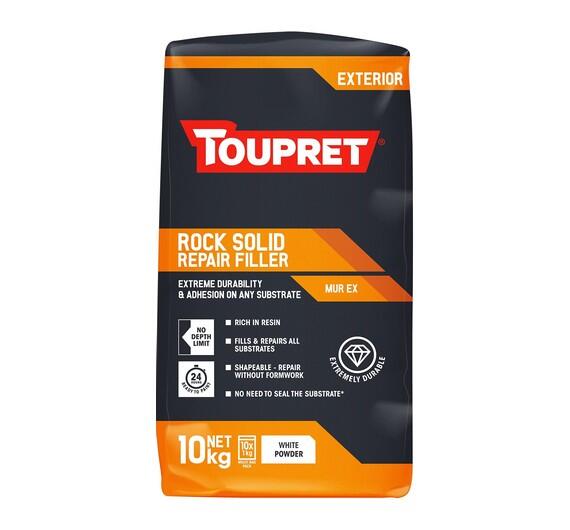
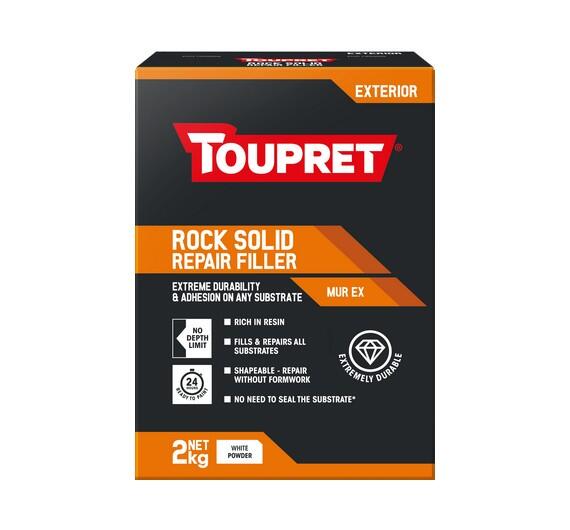
ROCK SOLID REPAIR FILLER
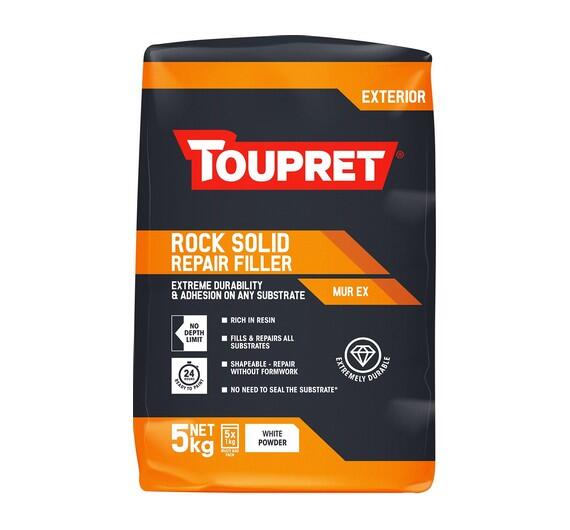
Heavy Duty Exterior Filler
Rock Solid Repair Filler is a high strength, extremely durable filler designed for demanding exterior repair work. ...
Rock Solid Repair Filler is a high strength, extremely durable filler designed for demanding exterior repair work. ...
- Extreme durability - long-lasting repairs
- High resin content - enhanced strength and superior adhesion
- Fills to any depth without shrinking
- Shapeable - no formwork needed
- Can be applied to previously painted surfaces
- Characteristics
- Technical documents
- Surfaces
- Directions for use
- Video
- Application
- Your questions
Characteristics
Heavy Duty Exterior Filler
Rock Solid Repair Filler is a high strength, extremely durable filler designed for demanding exterior repair work. With a high resin content for superior adhesion, it fills to any depth without shrinking and sets to a rock hard finish for lasting repairs.
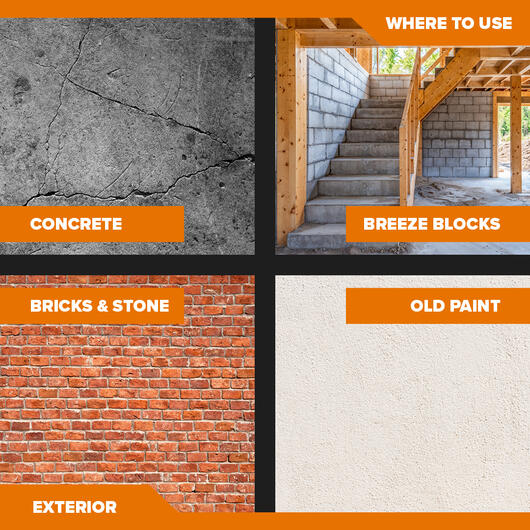
Ideal for repairing damage to exterior masonry, lime render, rendered walls, concrete structures, stone, brick, window sills, lintels and other hard substrates.
Rock Solid Repair Filler adheres directly to the substrate with no sealing required. It can also be applied directly to previously coated surfaces, saving time on preparation.
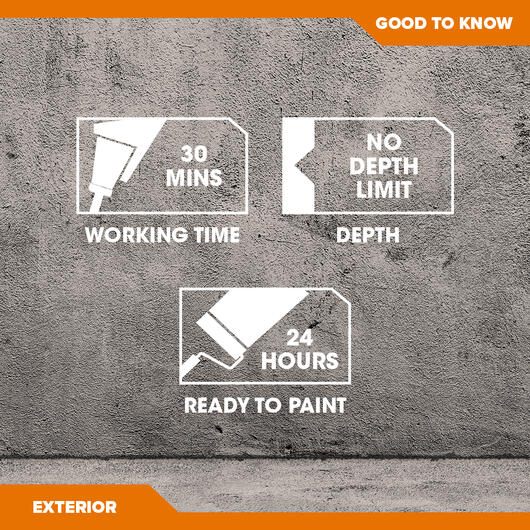
It is easily shaped, making it ideal for detailed repairs and moulded profiles without the need for formwork. Ready to overcoat with any standard water based masonry or mineral paint in 24 hours. When using polyurethane or epoxy solvent-based paints, apply a water based exterior primer first.
Rock Solid Repair Filler is a high strength, extremely durable filler designed for demanding exterior repair work. With a high resin content for superior adhesion, it fills to any depth without shrinking and sets to a rock hard finish for lasting repairs.
Ideal for repairing damage to exterior masonry, lime render, rendered walls, concrete structures, stone, brick, window sills, lintels and other hard substrates.
Rock Solid Repair Filler adheres directly to the substrate with no sealing required. It can also be applied directly to previously coated surfaces, saving time on preparation.
It is easily shaped, making it ideal for detailed repairs and moulded profiles without the need for formwork. Ready to overcoat with any standard water based masonry or mineral paint in 24 hours. When using polyurethane or epoxy solvent-based paints, apply a water based exterior primer first.


Code
TTMUX101GB
Surface condition
Exterior
Task
Shaping and repairing without formwork
Application method
Manual
Time between coats
As soon as the filler is dry.
Surfaces
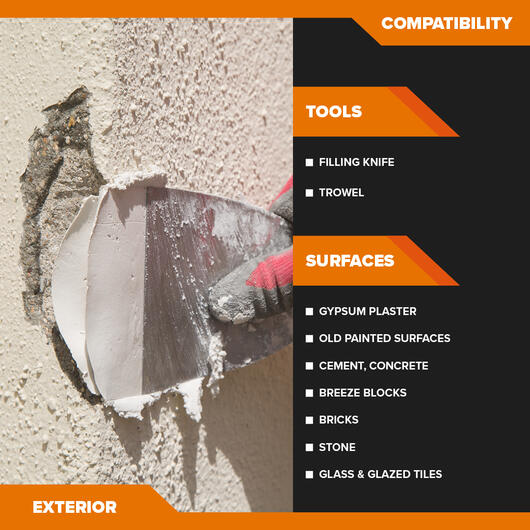
New or renovated, painted or unpainted substrates: gypsum plaster, old painted surfaces, cement, concrete, breeze blocks, bricks, stones, glass, glazed tiles.
Overcoat with
Any waterborne masonry or conventional coating any mineral, organic and siloxane binder paints. If using solvent based paint, a first primer coat of waterborne masonry paint is recommended.
Maximum recommended application thickness
No depth limitation.
Mixing rate
/
Ready to paint time
24 Hours.
Working time
30 min.
Application tools
Blade.
Putty knife.
Trowel.
Putty knife.
Trowel.
Recommended temperature and humidity for application
Do not apply at a temperature below 5°C or above 35°C nor at a relative humidity over 80%.
Adhesion
Adhesion filler/substrate (EN 16-566): > 0.8 Mpa.
Coverage g/m² (at 1mm thickness)
/
IAQ (Indoor Air Quality) classification
N/A
Colour when dry
White.
Guarantee
Product guaranteed for 6 months from purchase, in original package and stored away from humidity.
Clean tools with
Water.
Pack sizes
- Box 2 KG
- Bag 5 KG
- Bag 10 KG
Surfaces
New or renovated, painted or unpainted substrates: gypsum plaster, old painted surfaces, cement, concrete, breeze blocks, bricks, stones, glass, glazed tiles.
Directions for use
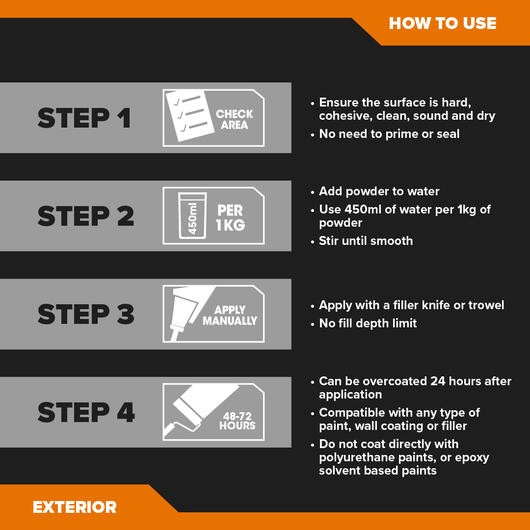
Do not cover directly with polyurethane and epoxy paint in solvent phase.
Video
Viewing this video may result in the use of cookies by the video platform partner. Given your refusal to accept cookies, and out of respect for your choice, we have blocked the playback of this video. If you wish to continue viewing, please give us your consent by clicking on the button below.
Application
1

Mixing rate: Add 450ml water per 1kg powder (45%).
Add powder to water at room temperature. Stir until smooth.
Add powder to water at room temperature. Stir until smooth.
2

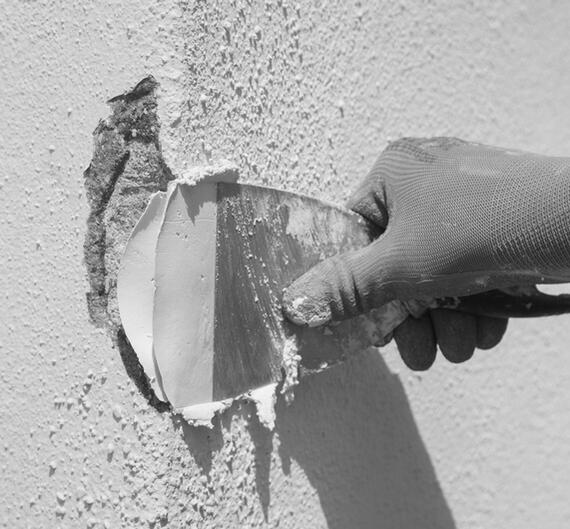
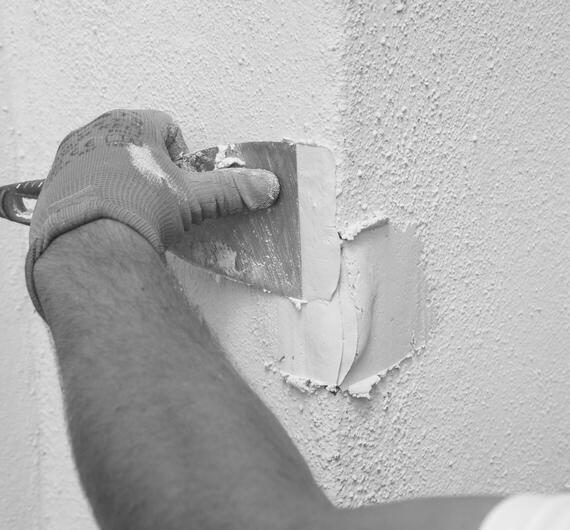
Apply manually using a coating blade or trowel. No fill depth limit.
3
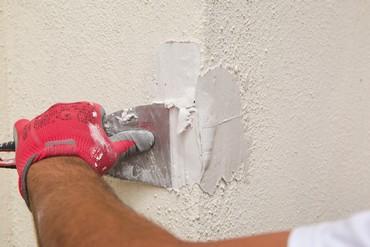
Can be painted 24 hours after application, dependant on the substrate, coat thickness, and ambient conditions